
Introduction
Landscape architecture plays a pivotal role in the development and sustainability of urban environments. As cities continue to grow and face numerous challenges, including climate change, population density, and environmental degradation, the need for innovative planning and design becomes essential.
Landscape architecture not only enhances the aesthetic appeal of urban areas but also contributes significantly to their resilience. This article explores the various aspects of landscape architecture that contribute to urban resilience, focusing on the integration of green spaces, community well-being, and sustainable design principles.
Integration of Green Spaces
Defining Green Spaces in Urban Contexts
Green spaces refer to natural areas within urban environments, including parks, gardens, and green roofs, that provide ecological, social, and recreational benefits. These spaces are not merely aesthetic enhancements; they serve as vital components in urban infrastructure. Green spaces can vary in size and function, from small community gardens to large city parks, and are essential in mitigating the effects of urbanisation.
In the context of urban resilience, green spaces act as buffers against environmental challenges such as air pollution, urban heat islands, and stormwater runoff. By incorporating greenery into the urban fabric, cities can enhance biodiversity, improve air quality, and create habitats for various species, thereby fostering a more sustainable environment.
Benefits of Green Spaces for Urban Resilience
The integration of green spaces into urban planning offers numerous benefits for resilience. First, these areas provide crucial ecosystem services, such as carbon sequestration, which can help cities combat climate change.
Additionally, green spaces absorb rainwater, reducing the risk of flooding and stormwater overflow in urban settings. This functionality is increasingly vital as cities face more frequent and severe weather events due to climate change.
Moreover, green spaces contribute to improved public health outcomes. They encourage physical activity among residents, providing spaces for walking, jogging, and recreational activities.
Studies have shown that access to green spaces is linked to lower levels of stress and anxiety, making them invaluable for community well-being.
In summary, integrating green spaces into urban planning not only enhances the environment but also supports the health and resilience of urban populations.
Case Studies: Successful Integration of Natural Dimensions Designs
Numerous cities worldwide have successfully integrated green spaces into their urban designs, showcasing the potential of landscape architecture in enhancing resilience. For example, the High Line in New York City transformed an abandoned elevated railway into a vibrant linear park, providing residents with green space while promoting biodiversity and community engagement.
Barcelona’s famous Eixample suberblock street layout is being retrofitted with significantly enhanced greenery. This creates a healthy, greener, and safer public space that promotes social relations and the local economy.
The superblocks are removing car traffic in targeted areas and reclaiming the streets for its citizens.
More locally, Natural Dimensions created a design for a green landscape corridor along a revamped artery into Manchester City Centre along the Hyde Road corridor, including the incorporation of a community led Butterfly garden. The garden creates a full woodland edge habitat from native woodland , though lower storey woodland edge to wildflower meadow. The Gorton Community butterfly garden also incorporates memorial stones to former local councilors.
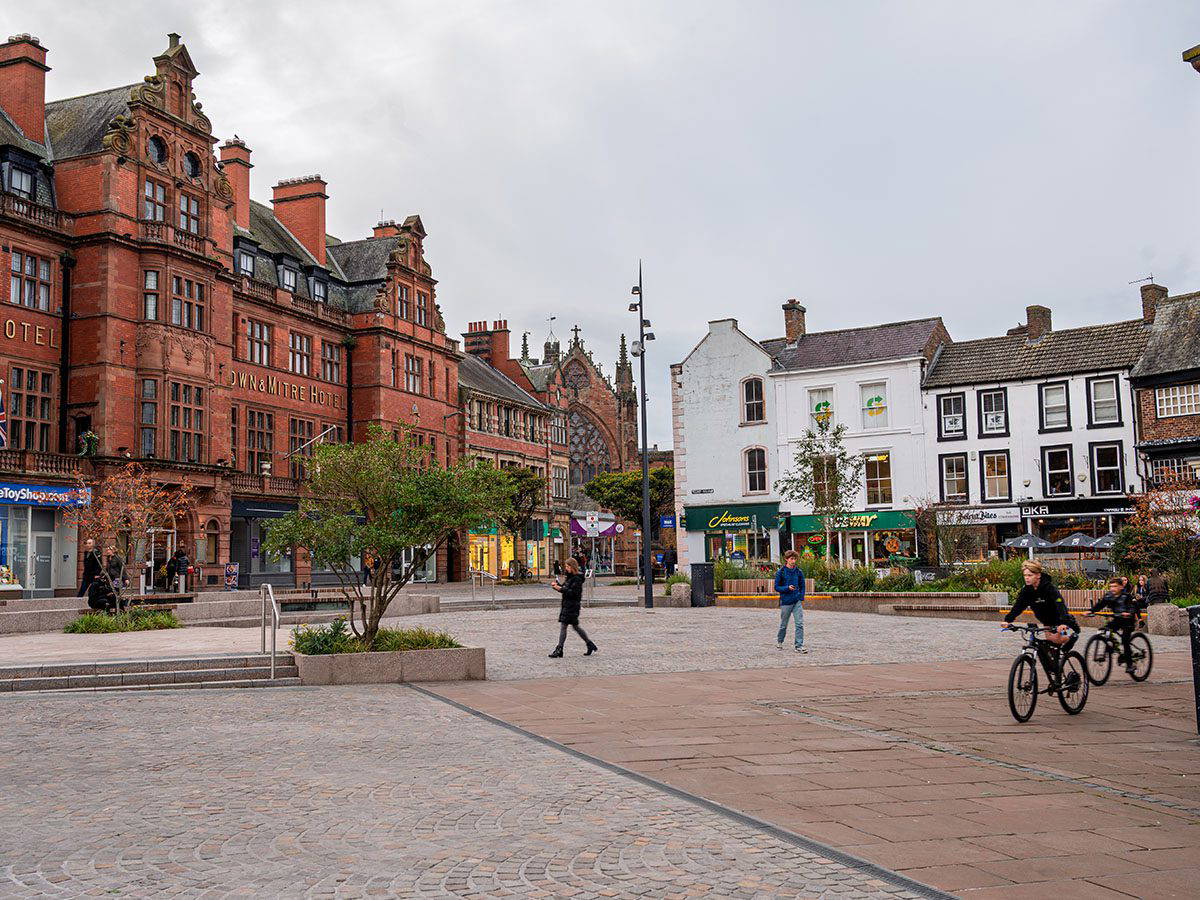
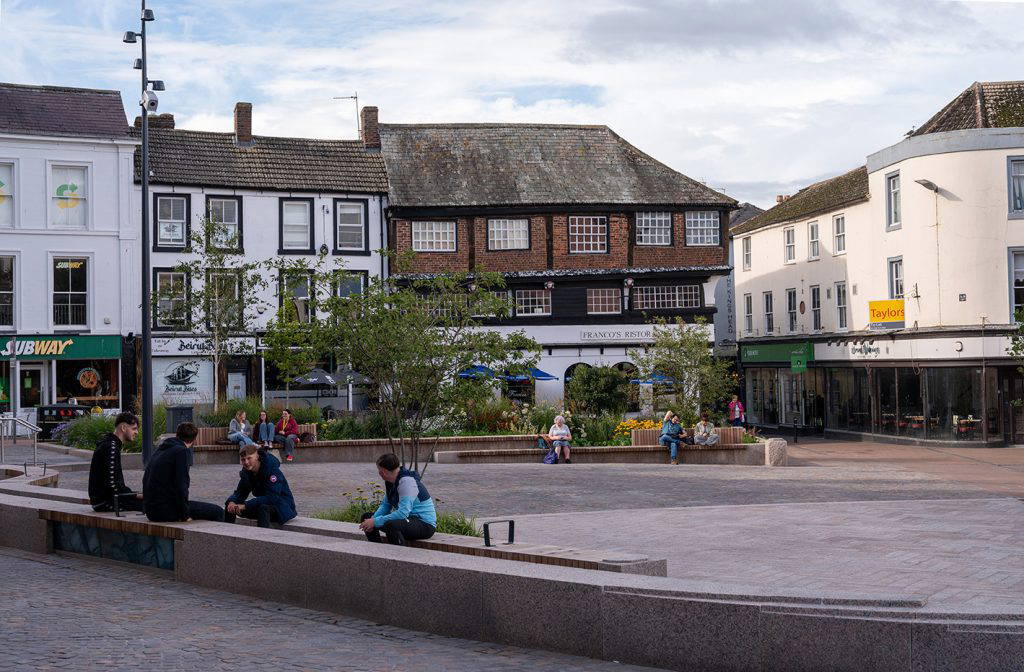
Construction of our designs for Carlisle Greenmarket, Market Square and Castle Street have recently been completed. The designs reduced vehicle priority on Castle Street with high quality pedestrian materials and planting beds. The Greenmarket was remodelled as an event space with a permanent stage encircled by a sculpted seat wall which is also the gateway into the historic quarter. Views to the stage are from the seat wall and from a seat edge along the inside of a large raised stone planter. This allows people to nestle into a 16m long raised planting bed containing a beautiful mix of trees, grasses and perennials.
Impact on Community Well-Being
Enhancing Mental and Physical Health through Landscape Architecture
Landscape architecture significantly influences community well-being by promoting both mental and physical health. Access to green spaces is associated with higher levels of physical activity and lower obesity rates, as these areas encourage outdoor activities and social interaction. Additionally, being in nature has been shown to reduce stress and improve mental health outcomes, creating a more balanced urban life.
The design of these spaces is crucial; incorporating features such as walking paths, seating areas, and communal gardens can enhance user experience. This encourages greater community participation.
As cities incorporate more thoughtfully designed landscapes, the overall health and happiness of residents improve, contributing to a more resilient urban community.
Social Cohesion and Community Engagement
Green spaces serve as communal hubs where residents can gather, socialise, and participate in community activities. These spaces foster social cohesion, bridging gaps between diverse demographic groups and encouraging a sense of belonging. Landscape architects play a vital role in designing inclusive spaces that cater to various age groups and cultural backgrounds, ensuring accessibility and engagement for all community members.
For instance, community gardens allow residents to collaborate in cultivating plants, leading to social interaction and cooperation. Such initiatives not only improve the community’s food security but also strengthen social ties, which is essential for building resilient communities capable of facing urban challenges together.
Creating Inclusive Public Spaces
Inclusivity in landscape architecture is paramount, ensuring that public spaces are accessible to everyone, regardless of physical ability or socioeconomic status. Thoughtful design can facilitate this inclusivity. Features like wheelchair ramps, tactile pathways for the visually impaired, and play areas for children of all abilities can transform a green space into a welcoming environment for all.
Creating inclusive public spaces contributes to urban resilience by fostering diverse community interactions and empowering marginalised groups.
Additionally, these inclusive areas can host diverse activities, from cultural events to educational programs, enriching the community’s social fabric and resilience.
Sustainable Design Principles
Principles of Sustainable Landscape Architecture
Sustainable landscape architecture encompasses a range of design principles aimed at minimising environmental impact while maximising ecological benefits.
Key principles include using renewable resources, integrating natural systems, and promoting biodiversity. Designers must consider the ecological context of their projects, ensuring that new developments harmonise with existing ecosystems rather than disrupt them.
Furthermore, sustainable landscape architecture advocates for including native planting, which supports local wildlife and can reduce maintenance and irrigation requirements. Diversity is central to self sustaining communities of planting which can adapt to the changing climate but a focus on native planting and seasonal change can shift design away from sterile evergreen non-natives. By adopting these principles, landscape architects can significantly contribute to the creation of resilient urban environments that are both functional, beautiful and ecologically sound.
Role of Native and Non-Native Planting in Urban Environments
Native planting is an important cornerstone of sustainable landscape architecture. However, this is not to the exclusion of a wide range of non-native flowering perennial plants and grasses which can adapt to urban conditions while having high ecological value.
Native plants are adapted to local climates and soils, making them more resilient to pests and diseases, and should be used exclusively in certain places such as woodland habitat.
Moreover, plants contribute to the aesthetic and cultural identity of urban areas. By celebrating local flora, cities can foster a sense of place and community pride.
The strategic use of planting can also aid in stormwater management, as flood-resistant and drought-resistant plants often have deeper root systems that improve soil permeability and reduce runoff. This further enhances urban resilience.
Innovative Techniques for Water Management
Water management is critical in landscape architecture, particularly in urban environments prone to flooding and water scarcity.
Innovative techniques such as bioretention systems, green roofs, and permeable pavements are increasingly employed to manage stormwater effectively. These systems not only mitigate flooding but also improve water quality by filtering pollutants.
For example, bioretention areas can be designed to collect and absorb runoff from impervious surfaces. This allows water to percolate into the ground rather than overwhelming drainage systems.
Similarly, green roofs provide insulation and reduce heat absorption while managing stormwater. By integrating these innovative water management techniques, landscape architecture can play a crucial role in enhancing urban resilience against climate variations.
Conclusion
The role of landscape architecture in enhancing urban resilience cannot be overstated.
By integrating green spaces, promoting community well-being, and adhering to sustainable design principles, landscape architects contribute significantly to the sustainability and livability of urban environments.
As cities continue to evolve and confront environmental challenges, the principles of landscape architecture will be integral in shaping resilient communities that are both functional and harmonious with nature.
Landscape Architecture FAQs
What is landscape architecture?
Landscape architecture is the art and practice of designing outdoor public areas, landmarks, and structures to achieve environmental, social, and aesthetic outcomes. It combines elements of art, science, and environmental stewardship to create beautiful, sustainable and resilient spaces.
How do green spaces enhance urban resilience?
Green spaces enhance urban resilience by providing ecosystem services, improving air quality, reducing urban heat, absorbing stormwater, and promoting public health. They also foster social cohesion and community engagement, which are critical for resilient urban living.
What are some examples of sustainable landscape architecture?
Examples of sustainable landscape architecture include the use of resilient diverse plant communities, green roofs, rain gardens, and permeable pavements. These practices help manage water, enhance biodiversity, and reduce energy use in urban environments.
Why is community engagement important in landscape architecture?
Community engagement is vital in landscape architecture as it ensures that public spaces meet the needs of the community. Involving residents in the design process fosters ownership, enhances social ties, and creates inclusive environments that cater to diverse populations.
What benefits do combinations of native and non native plants offer in urban environments?
Native and non native plant combinations offer numerous benefits in urban environments, including improved biodiversity, wildlife structure , reduced maintenance needs, and enhanced resilience to local pests and diseases. They also contribute to aesthetic values and cultural identity, making urban spaces more appealing.